You can easily translate the web content to your language with the Google Chrome.
Do szybkiego tlumaczenia na Twoj jezyk, polecam uzywanie przegladarki Google Chrome.

Sunday, October 7, 2018

Dyslexia Awareness Month


October, 2018 is...

Dyslexia Awareness Month and was created by The International Dyslexia Association
Dyslexia affects from 5% to 10% of the world’s population, making their lives difficult each and every day. Dyslexia Awareness Month is the time to think about how much harder dyslexic people’s lives are than our own and try to be more understanding of their situation. 

A special dyslexia font has been invented to help those afflicted to read more easily.

Dyslexia was first identified in German physician Oswald Berkhan in 1881 and officially named “dyslexia” by ophthalmologist Rudolph Berlin 6 years later. Berkhan discovered the existence of the developmental reading disorder later named dyslexia while studying the case of a young boy who had severe problems learning to read and write properly, despite being overall bright and intellectually and physically capable. 

Friday, October 5, 2018

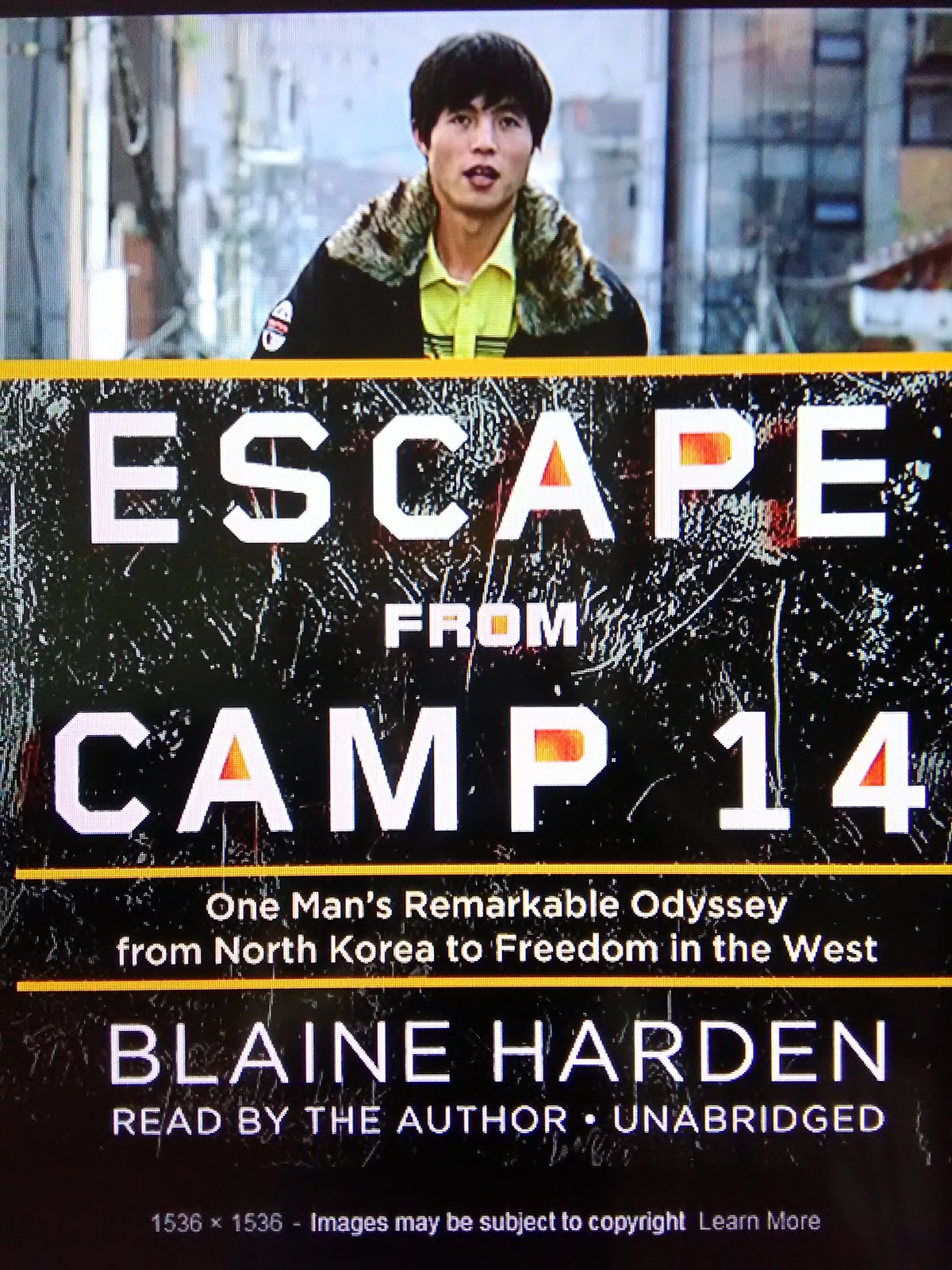
From Camp 14 in North Korea to Freedom in The West - Historical Fiction for Youth Adults

"Escape from Camp 14" by Blaine Hardens

"Escape from Camp 14", the true story of Shin Donghyuk's remarkable odyssey from a prison Camp 14 in North Korea to freedom in the West. Acclaimed journalist Blaine Hardens opens our eyes to the secrets of the world's most repressive totalitarian state. 

Saturday, September 29, 2018

Private Wojtek – Zołnierz Niedźwiedź

“Niedźwiedź Wojtek. Na żołnierskim szlaku”  Bibi Dumon Tak

Ksiażka opowiada o niedźwiedziu "Wojtku", który był jak żołnierz i tak był traktowany. Otrzymał wszystkie żołnierskie honory, a nawet wojskowy naraminnik. W kwietniu 1942 roku Polacy w drodze z Pahlevi w Iranie do Palestyny odkupili małego niedźwiadka brunatnego od arabskiego chłopca, za kilka puszek konserw. Niedźwiadek nie umiał jeść więc żołnierze karmili go rozcieńczonym, skondensowanym mlekiem z butelki i skręconego ze szmat smoczka. Miś został oficjalnie wciągnięty na stan ewidencyjny 22 Kompanii Zaopatrywania Artylerii, z którą to jednostką przeszedł cały szlak bojowy: z Iranu przez Irak, Syrię, Palestynę, Egipt do Włoch, a po demobilizacji do Wielkiej Brytanii.
Niedźwiadkiem opiekowano się troskliwie. Jego ulubionymi przysmakami były owoce, słodkie syropy, marmolada, miód oraz piwo, które dostawał za dobre zachowanie. Jadał razem z żołnierzami i spał z nimi w namiocie. Kiedy urósł, dostał własną sypialnię w dużej drewnianej skrzyni, nie lubił jednak samotności i często w nocy chodził do śpiących żołnierzy.
Żołnierze mówią, że Wojtek uwielbiał jazdę wojskowymi ciężarówkami, czym wzbudzał sporą sensację. Lubił też zapasy z żołnierzami, które na ogół kończyły się jego zwycięstwem: pokonany leżał „na łopatkach”, a Wojtek lizał go po twarzy. W opowieściach o Wojtku jest również taka, jak to podczas działań pod Monte Cassino, 
że niedźwiedź pomagał w noszeniu ciężkich skrzyń z amunicją artyleryjską i nigdy nie zdarzyło mu się ich upuścić. Od tego czasu symbolem 22 Kompanii stał się niedźwiedź z pociskiem w łapach. Odznaka taka pojawiła się na samochodach wojskowych, proporczykach i mundurach żołnierzy.
 Po wojnie 22 Kompania jako część 2 Korpusu Polskiego została przetransportowana do Glasgow w Szkocji, a razem z nią Wojtek. Kompania stacjonowała w Winfield Park, a wkrótce Wojtek został ulubieńcem całego obozu i okolicznej ludności. Stał się też tematem licznych publikacji prasowych. Po demobilizacji jednostki, zapadła decyzja oddania niedźwiedzia do ogrodu zoologicznego w Edynburgu.
Niedźwiedź Wojtek zmarł 2 grudnia 1963 roku w wieku 22 lat. O jego śmierci poinformowały wówczas brytyjskie stacje radiowe.

Wiecej o Wojtku na Wikipedia

„Piosenka o Wojtku” by Marika & Maleo Reggae Rockers ft. Buslav - (PANNY WYKLĘTE
 "WYGNANE" VOL.1) – Po Polsku

Friday, September 28, 2018

Private Wojtek - Soldier Bear

Very special to our hearts Iranian bear with a Polish soul - Private Wojtek, soldier in the Polish 22nd company during WWII. First Wojtek was just a mascot, but later he was enlisted in the Polish army and given a rank - Corporal and a serial number – 3522, so he could stay with his comrades.
Since he never known his mother, the bear copied what the soldiers did. And in the crucial battle of Monte Cassino Wojtek showed his worth by carrying live shells to the mortars along with his fellow soldiers. His combats asked for and received permission to have their company logo changed to an upright bear carrying a mortar shell.
Wojtek traveled to Scotland along with his comrades and many other Poles, when at the end of the war, they had no country to return to, Poland being under the rule of Stalin and the east.
His comrades eventually spread all over the U.K. and other countries. He couldn't be discharged. He couldn't be sent to Poland. He spend the rest of his life in Edinburgh Zoo. 
Private Wojtek died on December 2nd, 1963 in the age of 22.

Read a true story, very funny and heart lifting of Private Wojtek - “Soldier Bear” by Bibi Dumon Tak

 “Soldier Bear” by Bibi Dumon Tak

You can learn more about “Wojtek” on Wikipedia https://en.wikipedia.org/wiki/Wojtek_(bear)

“Wojtek - The Soldier Bear” By Marianna Raskin, animated movie by marianna.

Animated film recalls 'Soldier Bear' Wojtek by Steven McKenzie

“Soldier bear” statue unveiled in Edinburgh's Princes Street Gardens

"Wojtek" by Katy Carr - song in English

Lyrics:
“Wojtek, have you come to save my day?
The road is long and the river is so deep With Wojtek my love remains… Help me find my way
back to Poland I’m thousands of miles from home
Wypijemy jednego, drugiego, trzeciego za zdrowie naszego niedźwiedzia Pijącego, palącego i
walczącego żołnierza naszego niedźwiedzia Wojtka
[English translation : Let’s drink one, two, three, to the good health of Wojtek, Our drinking,
smoking, fighting Wojtek the soldier bear]
Wojtek, have you come to save my day?”

Wednesday, September 12, 2018

Good Writer - Lisa Schroeder - Realistic Fiction Recommended by 11 Years Old Reader

Lisa Schroeder recommended by 11 years old reader.


If you want to write a novel check top 10 things to do by Lisa Schroeder

How to Raise Unselfish, Empathetic Child


 Read “Unselfie: Why Empathetic Kids Succeed in our All-About-Me World” by Michele Borba.
Teenagers today are 40% less empathetic than they were thirty years ago. Why is a “lack of empathy,” called by Dr. Michele Borba “the Selfie Syndrome” so dangerous? First, it hurts kids' academic performance and drives to bullying behaviors.

Furthermore, it leads to increased cheating and decreased resilience. Once children grow up, a lack of empathy obstructs their ability to collaborate, innovate, and problem-solve-all must-have skills for the comprehensive economy.

In “UnSelfie,” Dr. Borba identifies the forces triggering the empathy crisis and shares an innovative, researched-based, nine-step plan for reversing the process.
Empathy is a quality that can be taught and nurtured. Dr. Borba offers an outline for parenting that shows the results we all want: successful, happy kids who are kind, moral, courageous, and resilient. “UnSelfie” is a blueprint for parents and educators who want to kids shift their focus from I, me, and mine...to we, us, and ours.

If you are interested in discussing this topic with other parents, this guide could prove to be helpful clickhere  for PDF or on the link below
See some of Borba's other books and accomplishments by visiting her website click here or

Wednesday, August 29, 2018

Historical Fiction for Youth Adults - About Child Soldiers


"A Long Way Gone" by Ishmael Beah

In this shocking memoir by a former child soldier, Ishmael Beah tells the harrowing story of fighting in Sierra Leone's brutal civil war, which lasted from 1991 until 2002. Ishmael Beah, writes about his traumatic experience and recovery. 

“Children at War” by P.W. Singer

"Children at War" is the first comprehensive examination of a disturbing and escalating phenomenon: the use of children as soldiers around the globe. P.W. Singer, an internationally recognized expert in modern warfare, introduces the brutal reality of conflict, where children are sent off to fight in war-torn hotspots from Colombia and the Sudan to Kashmir and Sierra Leone. 
Mr. Singer retells stories from U.S. soldiers having to fight children in Afghanistan and Iraq to juvenile terrorists in Sri Lanka to Palestine, the new, younger face of battle is a terrible reality of 21st century warfare. Indeed, the very first American soldier killed by hostile fire in the “War on Terrorism” was shot by a fourteen-year-old Afghan boy.
Mr. Singer explores this phenomenon, how and why children are recruited, indoctrinated, trained, and converted to soldiers and then lays out the consequences for global security, with a special case study on terrorism. With this established, he lays out the responses that can end this horrible practice. What emerges is not only a compelling and clarifying read on the darker reality of modern warfare, but also a clear and urgent call for action.


“First Kill Your Family: Child Soldiers of Uganda and the Lord's Resistance Army” 
by Peter Eichstaedt

“First Kill Your Family" is told through the voices of those who have suffered, this illuminating expose examines how a forgo tten region of one of Africa's most promising nations-Uganda, dubbed "the pearl" of Africa by Winston Churchill-has been systematically destroyed by a bloody, senseless, and seemingly endless war that has gone largely unnoticed by the rest of the world. For the past 20 years, the Lord's Resistance Army has ravaged northern Uganda and has been led by the reclusive Joseph Kony, a former witch doctor and self-professed spirit medium. Through the large-scale abduction and manipulation of children, Kony transformed his army into an efficient killing machine that has murdered nearly 100,000 and displaced two million people. Kony utilized the society's pervasive belief in witchcraft to instill cult-like convictions in his fighters. This insightful analysis delves into the war's foundations and argues that, much like Rwanda's genocide, international intervention is needed to stop Africa's virulent cycle of violence.

“They Fight Like Soldiers, They Die Like Children: The Global Quest to Eradicate the Use of Child Soldiers” by Roméo Dallaire

In conflicts around the world, there is an increasingly popular weapon system that requires negligible technology, is simple to sustain, has unlimited versatility and incredible capacity for both loyalty and barbarism. In fact, there is no more complete end-to-end weapon system in the inventory of war-machines. What are these cheap, renewable, plentiful, sophisticated and expendable weapons? Children.

Roméo Dallaire was first confronted with child soldiers in unnamed villages on the tops of the thousand hills of Rwanda during the genocide of 1994. The dilemma of the adult soldier who faced them is beautifully expressed in his book's title: when children are shooting at you, they are soldiers, but as soon as they are wounded or killed they are children once again.


"Soldier Boy" by Kelly Hutton
A true story from the Uganda Civil War

Child Soldiers In Africa" by Alcinda Honwana

"Children of War. Child Soldiers as Victims and Participants in the Sudan Civil War" 
by Christine Ryan

"Child to Soldier. Stories from Joseph Kony's Lord's Resistance Army" 
by Opiyo Oloya