You can easily translate the web content to your language with the Google Chrome.
Do szybkiego tlumaczenia na Twoj jezyk, polecam uzywanie przegladarki Google Chrome.

Tuesday, October 16, 2018

How to Start a Process of Your Child’s Evaluation for Special Education Services (NYC)


Parents may request an evaluation in writing, with copies to the principal and the school district’s director or coordinator of special education. Parents should retain copies of all correspondence relating to their child and follow up with the school principal on the status of the request. For more read:

NYC, District 2 Community Education Council (CEC) 

Address: 333 7th Ave, New York, NY 10001 - Map

Superintendent:
Elementary and middle school superintendent: Bonnie Laboy, (212) 356-3739

For individual parent concerns, contact:
Elementary and middle school family support coordinator: Julie Lam, (212) 356-3739

Special Education:
Most questions about special education can be answered by your child's teacher or principal. If you are new to New York City or your child attends private or parochial school contact the nearest Committee on Special Education for an evaluation.

Committee on Special Education 
Nicholas Chavarria 
333 7th Ave, New York, NY 10016
Phone: (917) 339-1600 
If these offices cannot answer your questions, see DOEcontacts.

To resolve an issue, learn more here. Also, call the Special Education Hotline at 718-935-2007 or email SpecialEducation@schools.nyc.gov.  

Starting an evaluation process in NYC

Check the link for details:

While you may make a referral for a special education evaluation at any time, public schools serving students in grades K-12 are required to implement Response to Intervention (RTI) before making a referral.  

Response to Intervention
Response to Intervention (RTI) is an approach schools use to match individual students with the teaching practices and level of support that work best for them. While you may make a referral for a special education evaluation at any time, public schools serving students in grades K-12 are required to implement RTI before making a referral.

Make a Referral
If you want your child to be evaluated for special education services, you must make a referral.

Example of a referral: 

If you would like to request an Independent Educational Evaluation (IEE) at public expense (the child's school) go to and read more:

Other related examples of letters:

How to Make a Referral
The referral must be in writing and may be made by you or a DOE school official. The referral should:
·       Describe the concerns about your child’s development, learning, and/or behavior.
·       State that you are requesting a special education evaluation.
·       List any services your child has received or is currently receiving.
·       Include your child's full legal name and date of birth.
·       Include your name, address and a telephone number where you can be reached.
·       State your preferred language, if it is not English.

Where to Send the Referral 
School-Age Students in Public School
Mail, fax, or give the written referral to the principal or a staff member in the school.

After The Referral Has Been Made
If your child is school-age, you will be sent a "Notice of Referral Letter," which:
·       Explains your rights;
·       Provides the name and telephone number of a person to call if you have questions; and
·       Asks for you to meet with the school social worker for a social history interview. The interview will be held in your preferred language or mode of communication with the help of an interpreter, upon request.

Consent
If your child has never received special education services, you will be asked to sign a "Consent for Initial Evaluation" form in your preferred language. Even if you made the referral yourself, you must still give consent for the process to begin. If you choose not to give consent your child will not be evaluated.

IEP Meeting
You will be invited to an Individualized Education Program (IEP) meeting after your child's evaluation is completed.
At the meeting, the IEP team, of which you are a member, will review information from the evaluation and other sources to determine if your child is eligible for special education services. If so, the team will work together at the meeting to develop an IEP.

Meeting Location
The location of the meeting is determined by:
·       Your child’s age/grade level
·       The type of school your child attends

School-Age Students in Public School
The meeting will be held at your child’s school.

Sunday, October 7, 2018

Dyslexia Awareness Month


October, 2018 is...

Dyslexia Awareness Month and was created by The International Dyslexia Association
Dyslexia affects from 5% to 10% of the world’s population, making their lives difficult each and every day. Dyslexia Awareness Month is the time to think about how much harder dyslexic people’s lives are than our own and try to be more understanding of their situation. 

A special dyslexia font has been invented to help those afflicted to read more easily.

Dyslexia was first identified in German physician Oswald Berkhan in 1881 and officially named “dyslexia” by ophthalmologist Rudolph Berlin 6 years later. Berkhan discovered the existence of the developmental reading disorder later named dyslexia while studying the case of a young boy who had severe problems learning to read and write properly, despite being overall bright and intellectually and physically capable. 

Friday, October 5, 2018

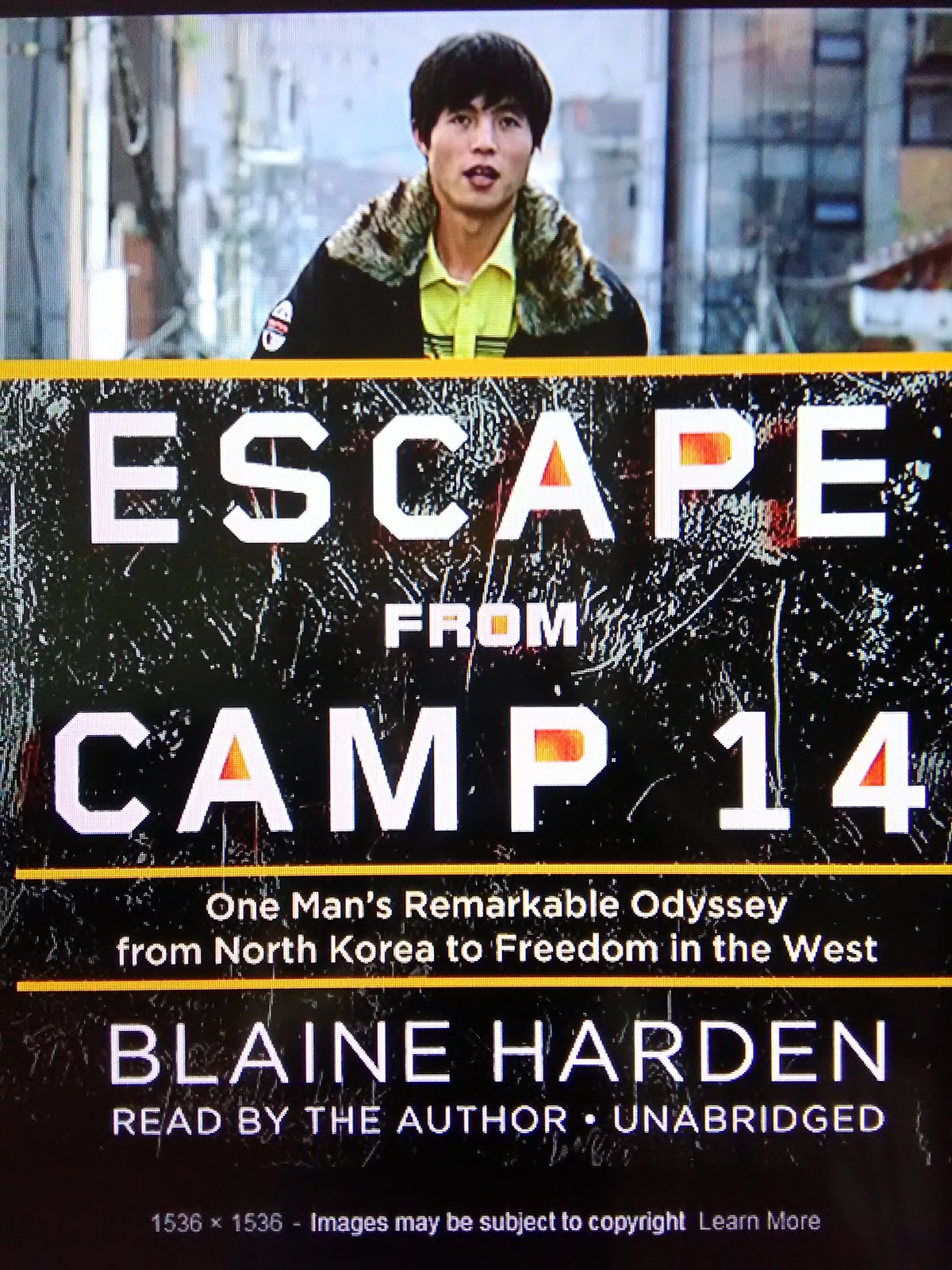
From Camp 14 in North Korea to Freedom in The West - Historical Fiction for Youth Adults

"Escape from Camp 14" by Blaine Hardens

"Escape from Camp 14", the true story of Shin Donghyuk's remarkable odyssey from a prison Camp 14 in North Korea to freedom in the West. Acclaimed journalist Blaine Hardens opens our eyes to the secrets of the world's most repressive totalitarian state. 

Saturday, September 29, 2018

Private Wojtek – Zołnierz Niedźwiedź

“Niedźwiedź Wojtek. Na żołnierskim szlaku”  Bibi Dumon Tak

Ksiażka opowiada o niedźwiedziu "Wojtku", który był jak żołnierz i tak był traktowany. Otrzymał wszystkie żołnierskie honory, a nawet wojskowy naraminnik. W kwietniu 1942 roku Polacy w drodze z Pahlevi w Iranie do Palestyny odkupili małego niedźwiadka brunatnego od arabskiego chłopca, za kilka puszek konserw. Niedźwiadek nie umiał jeść więc żołnierze karmili go rozcieńczonym, skondensowanym mlekiem z butelki i skręconego ze szmat smoczka. Miś został oficjalnie wciągnięty na stan ewidencyjny 22 Kompanii Zaopatrywania Artylerii, z którą to jednostką przeszedł cały szlak bojowy: z Iranu przez Irak, Syrię, Palestynę, Egipt do Włoch, a po demobilizacji do Wielkiej Brytanii.
Niedźwiadkiem opiekowano się troskliwie. Jego ulubionymi przysmakami były owoce, słodkie syropy, marmolada, miód oraz piwo, które dostawał za dobre zachowanie. Jadał razem z żołnierzami i spał z nimi w namiocie. Kiedy urósł, dostał własną sypialnię w dużej drewnianej skrzyni, nie lubił jednak samotności i często w nocy chodził do śpiących żołnierzy.
Żołnierze mówią, że Wojtek uwielbiał jazdę wojskowymi ciężarówkami, czym wzbudzał sporą sensację. Lubił też zapasy z żołnierzami, które na ogół kończyły się jego zwycięstwem: pokonany leżał „na łopatkach”, a Wojtek lizał go po twarzy. W opowieściach o Wojtku jest również taka, jak to podczas działań pod Monte Cassino, 
że niedźwiedź pomagał w noszeniu ciężkich skrzyń z amunicją artyleryjską i nigdy nie zdarzyło mu się ich upuścić. Od tego czasu symbolem 22 Kompanii stał się niedźwiedź z pociskiem w łapach. Odznaka taka pojawiła się na samochodach wojskowych, proporczykach i mundurach żołnierzy.
 Po wojnie 22 Kompania jako część 2 Korpusu Polskiego została przetransportowana do Glasgow w Szkocji, a razem z nią Wojtek. Kompania stacjonowała w Winfield Park, a wkrótce Wojtek został ulubieńcem całego obozu i okolicznej ludności. Stał się też tematem licznych publikacji prasowych. Po demobilizacji jednostki, zapadła decyzja oddania niedźwiedzia do ogrodu zoologicznego w Edynburgu.
Niedźwiedź Wojtek zmarł 2 grudnia 1963 roku w wieku 22 lat. O jego śmierci poinformowały wówczas brytyjskie stacje radiowe.

Wiecej o Wojtku na Wikipedia

„Piosenka o Wojtku” by Marika & Maleo Reggae Rockers ft. Buslav - (PANNY WYKLĘTE
 "WYGNANE" VOL.1) – Po Polsku

Friday, September 28, 2018

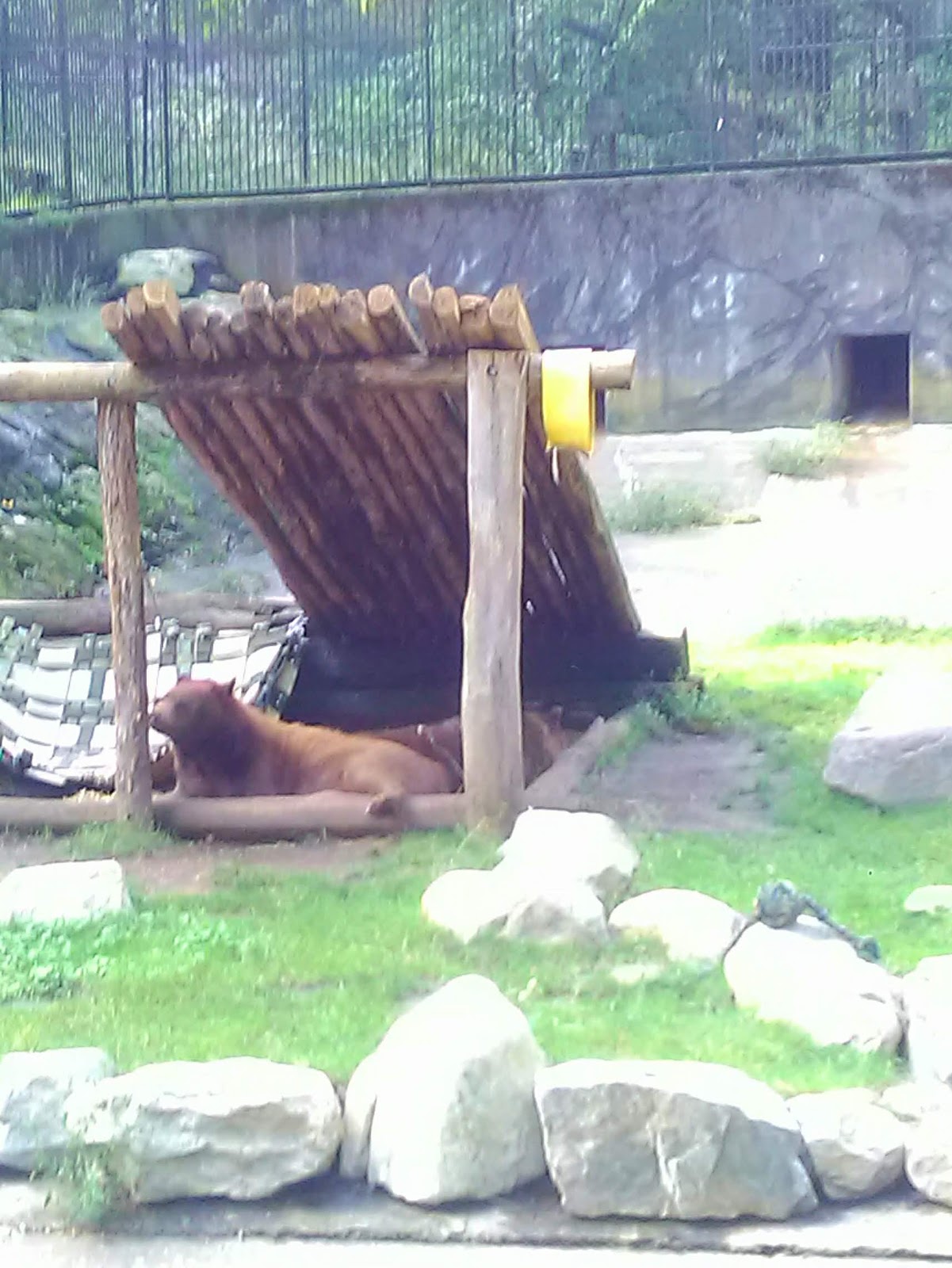
Private Wojtek - Soldier Bear

Very special to our hearts Iranian bear with a Polish soul - Private Wojtek, soldier in the Polish 22nd company during WWII. First Wojtek was just a mascot, but later he was enlisted in the Polish army and given a rank - Corporal and a serial number – 3522, so he could stay with his comrades.
Since he never known his mother, the bear copied what the soldiers did. And in the crucial battle of Monte Cassino Wojtek showed his worth by carrying live shells to the mortars along with his fellow soldiers. His combats asked for and received permission to have their company logo changed to an upright bear carrying a mortar shell.
Wojtek traveled to Scotland along with his comrades and many other Poles, when at the end of the war, they had no country to return to, Poland being under the rule of Stalin and the east.
His comrades eventually spread all over the U.K. and other countries. He couldn't be discharged. He couldn't be sent to Poland. He spend the rest of his life in Edinburgh Zoo. 
Private Wojtek died on December 2nd, 1963 in the age of 22.

Read a true story, very funny and heart lifting of Private Wojtek - “Soldier Bear” by Bibi Dumon Tak

 “Soldier Bear” by Bibi Dumon Tak

You can learn more about “Wojtek” on Wikipedia https://en.wikipedia.org/wiki/Wojtek_(bear)

“Wojtek - The Soldier Bear” By Marianna Raskin, animated movie by marianna.

Animated film recalls 'Soldier Bear' Wojtek by Steven McKenzie

“Soldier bear” statue unveiled in Edinburgh's Princes Street Gardens

"Wojtek" by Katy Carr - song in English

Lyrics:
“Wojtek, have you come to save my day?
The road is long and the river is so deep With Wojtek my love remains… Help me find my way
back to Poland I’m thousands of miles from home
Wypijemy jednego, drugiego, trzeciego za zdrowie naszego niedźwiedzia Pijącego, palącego i
walczącego żołnierza naszego niedźwiedzia Wojtka
[English translation : Let’s drink one, two, three, to the good health of Wojtek, Our drinking,
smoking, fighting Wojtek the soldier bear]
Wojtek, have you come to save my day?”

Wednesday, September 12, 2018

Good Writer - Lisa Schroeder - Realistic Fiction Recommended by 11 Years Old Reader

Lisa Schroeder recommended by 11 years old reader.


If you want to write a novel check top 10 things to do by Lisa Schroeder

How to Raise Unselfish, Empathetic Child


 Read “Unselfie: Why Empathetic Kids Succeed in our All-About-Me World” by Michele Borba.
Teenagers today are 40% less empathetic than they were thirty years ago. Why is a “lack of empathy,” called by Dr. Michele Borba “the Selfie Syndrome” so dangerous? First, it hurts kids' academic performance and drives to bullying behaviors.

Furthermore, it leads to increased cheating and decreased resilience. Once children grow up, a lack of empathy obstructs their ability to collaborate, innovate, and problem-solve-all must-have skills for the comprehensive economy.

In “UnSelfie,” Dr. Borba identifies the forces triggering the empathy crisis and shares an innovative, researched-based, nine-step plan for reversing the process.
Empathy is a quality that can be taught and nurtured. Dr. Borba offers an outline for parenting that shows the results we all want: successful, happy kids who are kind, moral, courageous, and resilient. “UnSelfie” is a blueprint for parents and educators who want to kids shift their focus from I, me, and mine...to we, us, and ours.

If you are interested in discussing this topic with other parents, this guide could prove to be helpful clickhere  for PDF or on the link below
See some of Borba's other books and accomplishments by visiting her website click here or